


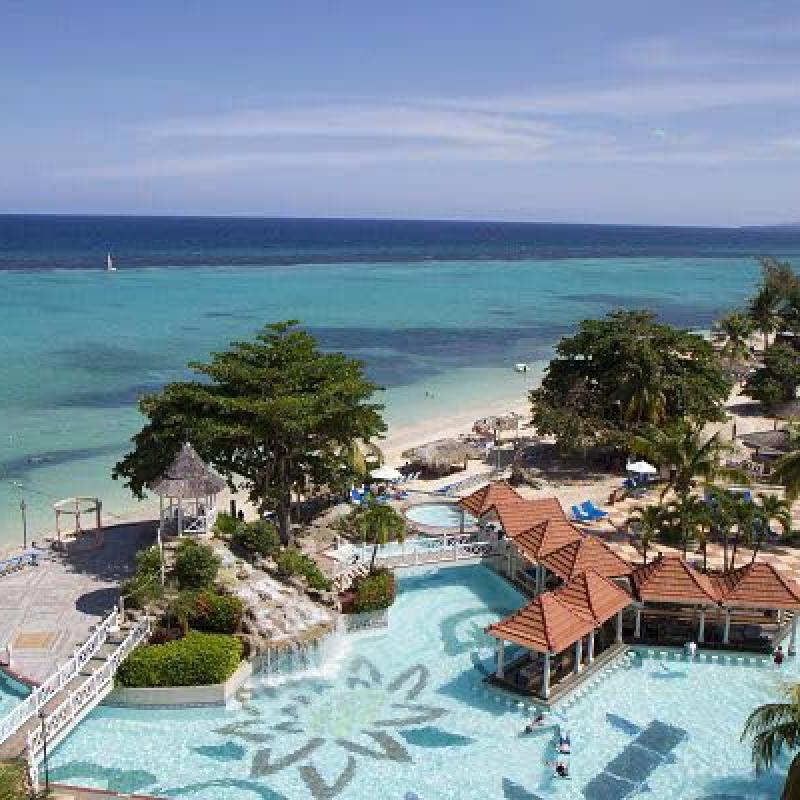
Hyatt Hotels Corp lowered its 2026 earnings forecast by US$10 million following the extended closure of seven Jamaica all-inclusive resorts damaged by Hurricane Melissa. Executives, however, said the forced downtime would enable comprehensive property renovations that could position the hotels to outperform original financial targets.
“Our outlook assumes continued pressure in the distribution segment, which we expect will decline by approximately US$10 million compared to 2025,” Joan Bottarini, chief financial officer at Hyatt, told analysts during the company’s fourth quarter earnings call last week.
The Chicago-based hotel operator reduced its 2026 adjusted EBITDA, earnings before interest, taxation, depreciation, and amortisation for its Playa portfolio by US$10 million on the low end to US$20 million, according to slides and executive statements. The shortfall stems primarily from lost management fees and performance incentives at the shuttered Jamaica properties, which include Hyatt Ziva Rose Hall, Hyatt Zilara Rose Hall, Dreams Rose Hall, and Jewel Grande Montego Bay.
The Playa impact does not derail Hyatt’s broader trajectory towards higher EBITDA of up to US$1.2 billion this year, up from US$1.0 billion a year earlier. Elsewhere in the Americas all-inclusive segment, booking pace is up more than 9.0 per cent for the first quarter of 2026, reflecting sustained leisure-travel demand despite the Jamaica disruptions.
“We are going to have fully refreshed, newly rebuilt, renovated, and upgraded hotels,” President and CEO Mark Hoplamazian told analysts. “Jamaica is going to have a very strong year because the government is going to make sure it does. Too many jobs depend on this industry for the government not to throw everything they have at it for 2027.”
The properties will remain closed through the fourth quarter of 2026 for rebuilding and upgrades. Hyatt last year acquired the Playa portfolio in a US$2.0 billion deal that resulted in the spin-off of the real estate assets to affiliated Tortuga Resorts. While Hyatt no longer owns the underlying real estate – having completed the sale in December – it continues to operate the hotels under 50-year management agreements, deriving revenue from base fees and profit-sharing tied to occupancy and performance.
Hoplamazian framed the disruption as temporary and potentially advantageous. “I believe that 2026 is what it is, and it is not a persistent issue, it is not a fundamental structural issue,” he said. “2027 has the opportunity for us to far exceed what our own underwriting was out of those resorts when we did the deal and when we sold the properties.”
Company officials did not specify the total capital investment Tortuga Resorts and insurance proceeds will fund for the Jamaica renovations. The upgrades are expected to include structural repairs, room refurbishments, and potentially expanded amenities, positioning the properties to command higher rates when they return to service.
The renovation approach aligns with Hyatt’s asset-light strategy, which has seen the company sell US$5.7 billion in owned real estate since 2017 while spending US$4.4 billion on asset-light acquisitions – primarily management contracts and brand licences. The model has lifted Hyatt’s operating profit over the decade.
For the full year, Hyatt recorded a US$52-million loss on revenue of US$7.1 billion. A year earlier, it generated profit of US$1.2 billion on revenue of US$6.6 billion, boosted by real estate sales.
business@gleanerjm.com