


Japan’s economy grew at an annual rate of 1.1 per cent in the April-June quarter even as private consumption stayed flat and the growth of exports declined, according to government data recently released.
Japan’s real GDP, or gross domestic product, the sum value of the nation’s goods and services, grew at a seasonally adjusted rate of 0.3 per cent from the first quarter to second quarter of 2026, according to Cabinet Office data.
The annualised rate shows what the growth rate would have been if it had continued for a whole year. It was 2.1 per cent in the January-March period.
Private spending dipped 1.2 per cent in April-June, compared to January-March, while exports grew 0.5 per cent.
Exports for the latest period were driven by the global demand for Japanese autos and semiconductors. Japan is home for Toyota Motor Corporation, Honda Motor Company and other top automakers.
Global demand for computer chips being powered by interest in AI helped to support Japan’s exports.
Government consumption rose 1.6 per cent. Quarterly GDP growth was lower than what analysts had expected. The Japanese economy has been hurt by the war in Iran, which has sent energy costs surging. That is especially difficult for resource-poor Japan, which imports almost all its oil.
The Strait of Hormuz, a vital transport route for oil exports from the Persian Gulf to Asia, has been effectively blocked due to the war, pushing prices higher. Japan has released some oil reserves and is working on alternative routes.
Brent crude has been recently trading at about US$88 a barrel, up from about US$65 a year ago, although that is lower than earlier this year, when it shot above US$110 a barrel.
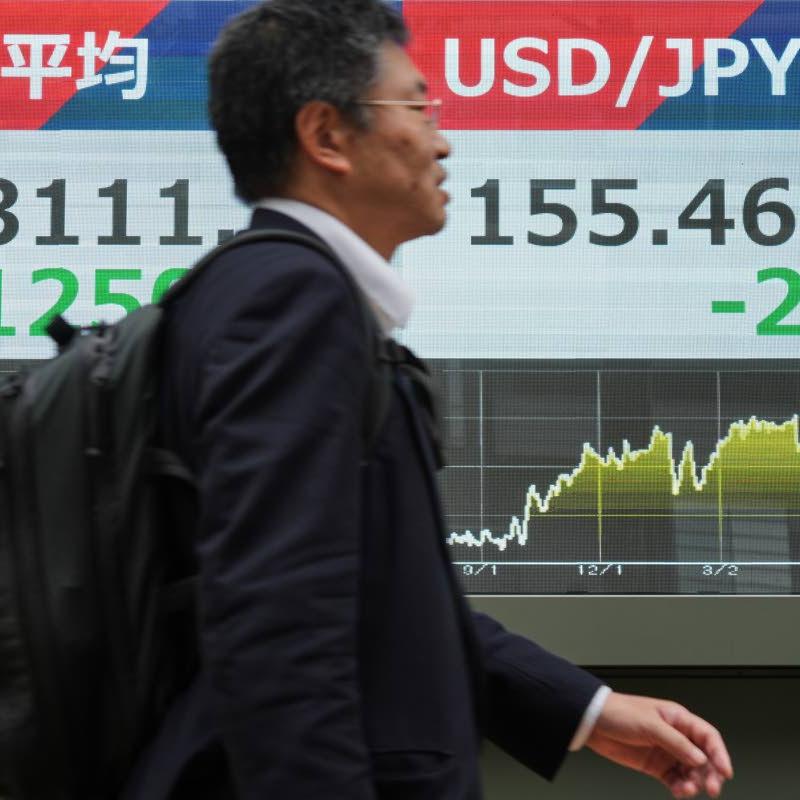
A weak yen has also worked as a plus for some Japanese companies, including giant exporters like Toyota, boosting the value of overseas earnings when translated into yen.
But a weak yen makes it more expensive to import raw materials, raising prices for consumers and denting spending.
Concerns have been growing about rising prices, as wage growth in Japan has been relatively stagnant.
Prime Minister Sanae Takaichi has promised to get growth going again, but her public support ratings, while still high compared to some of her predecessors, have been gradually sinking.
The United States dollar has been trading at near 160 Japanese yen levels lately, up from about 145 yen a year ago. It was trading at about 159 yen after Monday’s economic data got released.
The Bank of Japan recently raised its economic growth outlook to 0.6 per cent for the fiscal year through to March next year from an earlier 0.5 per cent.
– AP